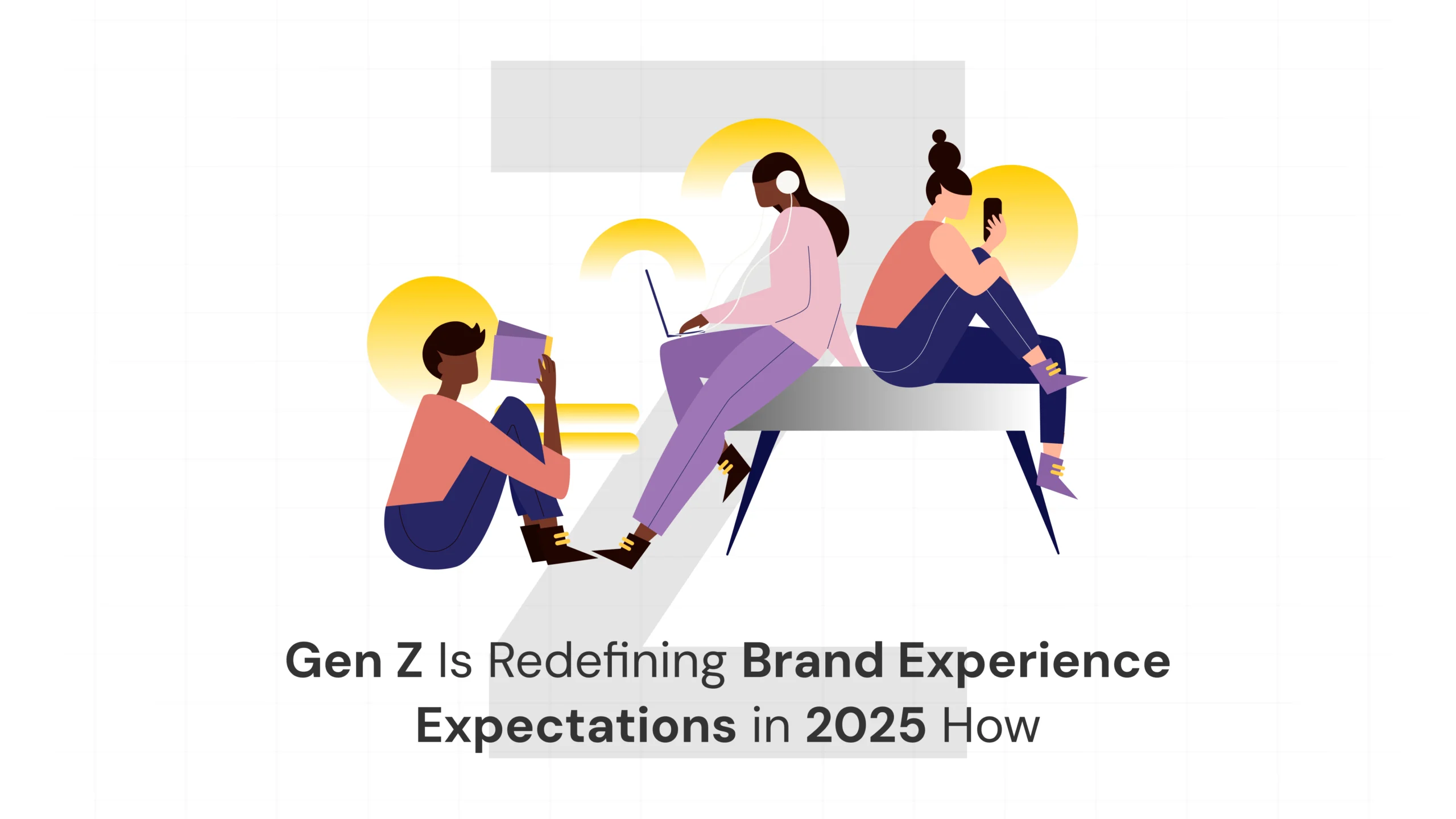
Generation Z, born between 1997 and 2012, has redefined how businesses think about customers. Unlike previous generations that valued ownership and product quality, Gen Z values authenticity, purpose, and experience above all else.
Understanding Gen Z — The Experience-Driven Generation
- November 12, 2025
- Kaavya Shree S
- 10:00 am
Post Views: 571
Generation Z, born between 1997 and 2012, has redefined how businesses think about customers. Unlike previous generations that valued ownership and product quality, Gen Z values authenticity, purpose, and experience above all else.
They are digital natives—connected, informed, and highly selective. For them, a brand’s worth is determined not just by what it sells but how it makes them feel across every interaction. Whether it’s a seamless mobile app, ethical sourcing, or a personalized marketing experience, Gen Z expects brands to be transparent, socially responsible, and emotionally engaging.
According to Deloitte, over 70% of Gen Z consumers prefer brands that align with their beliefs. This signals a profound shift: companies can no longer rely on traditional marketing; they must create meaningful brand experiences that mirror Gen Z’s mindset.
The Shift from Traditional Branding to Experiential Branding
The marketing landscape has evolved from transactional to experiential. In earlier decades, brand communication focused on “what we sell.” Today, it focuses on “why we exist.”
Gen Z doesn’t respond to aggressive sales tactics or push advertising. They respond to stories, shared values, and emotional resonance. Experiential branding creates immersive touchpoints—through design, content, and technology—that allow consumers to participate in the brand narrative.
Examples of Brands That Adapted Successfully
- Nike connects with Gen Z through inclusivity-driven campaigns like “You Can’t Stop Us.”
- Spotify Wrapped turns user data into personalized storytelling, enhancing emotional loyalty.
- Apple’s minimalist UX design focuses on simplicity and belonging rather than just product features.
Each of these brands prioritizes UX and emotion, crafting experiences that feel human in a digital world.
Digital Trends Shaping Gen Z Brand Experience in 2025
The year 2025 marks a new phase in digital evolution — where AI, personalization, and immersive technologies converge to redefine brand experiences.
1. AI-Driven Personalization
AI now powers hyper-personalized content recommendations, predictive shopping, and adaptive interfaces. Gen Z expects brands to anticipate their needs before they express them. For instance, AI-led marketing tools like dynamic content delivery adjust website visuals or CTAs based on user behavior, ensuring relevance at every click.
2. AR and VR in Customer Engagement
Augmented and virtual reality are moving beyond entertainment to create immersive brand storytelling. From virtual try-ons in fashion retail to interactive 3D tours for architecture and design, AR/VR enables Gen Z to experience before purchasing — a trend Kavinu Design leverages in experiential UX projects.
3. Conversational and Voice Marketing
Voice-activated experiences and chat-based interfaces are the new standard for Gen Z engagement. Instead of static forms, brands now use AI chatbots and voice search optimization to create humanized, real-time connections.
4. Social Media as a Storytelling Ecosystem
Gen Z treats social platforms as discovery engines rather than entertainment channels. TikTok, Instagram Reels, and Threads drive micro-storytelling, while YouTube and LinkedIn host long-form thought leadership. Smart brands create integrated storytelling ecosystems that maintain consistency across all platforms.
What Gen Z Expects from Brands
1. Transparency and Brand Purpose
Gen Z holds brands accountable. They investigate company values, ethical sourcing, and environmental impact before engaging. Authentic communication—not perfection—is what builds trust.
2. Seamless, Frictionless Experiences
From mobile-first web design to lightning-fast loading times, Gen Z expects zero friction across the customer journey. A slow, cluttered interface can cost you a loyal user.
3. Authentic Influencer Collaborations
This generation sees through scripted influencer promotions. They Favor collaborations that reflect genuine product usage and personality fit over celebrity endorsements.
4. Ethical and Sustainable Practices
Sustainability isn’t a marketing choice; it’s a brand expectation. Whether it’s eco-packaging or transparent supply chains, ethical design choices influence Gen Z’s purchase decisions.
How Brands Can Evolve Their Strategy for 2025
To resonate with Gen Z, businesses must rethink every element of their digital and design strategy—from UX architecture to brand messaging.
1. Blend Data with Emotion
The most successful Gen Z strategies integrate data-driven personalization with human storytelling. While analytics reveal what users do, empathy explains why they do it.
2. Redesign UX with Inclusivity
Accessibility is a growing brand differentiator. Inclusive UX design—color contrast, font legibility, language diversity—signals that a brand values every user.
3. Build Two-Way Engagement Channels
Engagement is no longer passive. From community-led campaigns to interactive social content, brands should focus on co-creation rather than broadcasting.
4. Apply Design Thinking for Emotional Connection
Design thinking helps brands uncover the unspoken needs of Gen Z consumers. By empathizing, prototyping, and iterating, businesses can craft experiences that drive emotional loyalty, not just clicks.
Case Study: How Kavinu Design Crafts Gen Z-Focused Experiences
At Kavinu Design, we believe brand experience is the new currency of loyalty. Our approach blends data, creativity, and behavioral psychology to design user experiences that emotionally resonate.
For instance, our UX/UI strategy incorporates:
- Data-driven design audits to optimize user flow.
- Visual storytelling that connects brand purpose to audience values.
- Interactive interfaces that turn visitors into participants.
Our digital marketing solutions help brands translate insights into action—ensuring that every campaign, design, and narrative aligns with Gen Z’s expectations for authenticity, speed, and impact.
Key Takeaways
- Gen Z defines brand loyalty through meaning and experience, not just quality or price.
- Experiential branding and ethical design are essential in 2025.
- Brands that balance data intelligence with human empathy will dominate the next era of digital engagement.
Final Thoughts
Gen Z is not just another consumer segment—they represent a paradigm shift in how the world interacts with brands. Their expectations are high but consistent: be authentic, experiential, and human.
For brands that adapt, this generation offers unmatched advocacy and engagement. The future of branding lies not in selling more products, but in creating experiences that matter.
Looking to design a Gen Z-ready brand experience?
Partner with Kavinu Design — where creativity meets behavioral insight.
👉 Get a Free UX Consultation
Latest Blogs
-
The AI Revolution in UI/UX Design: How Data-Driven Intelligence Is Reshaping Human Experiences30 Jan 2026
-
Designing for the First 10 Seconds: How Brands Win or Lose Users Instantly in 202621 Jan 2026
-
The Quiet Power of Design: Why the Best Digital Products in 2026 Feel Effortless16 Jan 2026
-
How a Simple UX Redesign Helped a Growing Brand Double Its Conversions in 90 Days12 Jan 2026
-
Why Great UI and UX Design in 2026 Feels Less Like Technology and More Like a Conversation08 Jan 2026
Work With Us to Create Impactful Digital Experiences
FAQ
Who exactly is Gen Z, and why are they so important for brands in 2025?
Gen Z refers to individuals born between 1997 and 2012. They’re digital natives who prioritize authenticity, values, and experiences over traditional marketing and product ownership. Their spending power and influence make them key drivers of future brand strategies.
What makes Gen Z’s brand expectations different from Millennials or Gen X?
Unlike Millennials who value convenience and innovation, Gen Z expects authenticity, transparency, and purpose. They engage more with brands that reflect their personal beliefs and deliver meaningful, experience-driven interactions.
How can brands build trust with Gen Z consumers?
Trust comes from transparency and action. Brands should openly communicate their ethical practices, sustainability efforts, and social impact — not just claim them. Gen Z quickly detects “performative” marketing.